

Rick Owens Hoodies vs Everyday Hoodies: What the Price Really Buys
At a big-box store, a plain cotton hoodie costs 25 USD, while a Rick Owens hoodie easily reaches 400 to 1,100 USD, and that chasm calls for an honest accounting. Does the luxury piece justify forty times the value, or are you mostly paying for a name and a mood? Here we unpack the contrast point by point, evaluating fabric, construction, design, and value with a skeptic’s eye rather than a fanboy’s hype. Our goal is neither to glorify the brand nor to write it off, but to pin down what your money actually buys. The answer turns out to be more nuanced than either tribe will concede. Seven concrete factors set them apart below, each scored on what you genuinely get for the premium. Read it as a buyer’s audit, because that is exactly the spirit in which it was written.
1. Fabric Weight and Hand-Feel
The most immediate difference registers the moment you pick up each hoodie, because the materials are worlds apart. A standard everyday hoodie typically uses 240 to 300 GSM cotton blended with polyester for cheapness, lending it that familiar fuzzy, lightweight feel. A Rick Owens or DRKSHDW pullover, by contrast, often runs 380 to 480 GSM in heavier French terry or pure cotton with a heavier, waxier hang. The added heft is not merely cosmetic; it is what enables the garment to hold the long, sculptural form the brand is famous for. You can literally feel the difference in how the fabric hangs from your frame and resists wrinkling. Over time the heavier cloth also takes on a patina rather than pilling into fuzz. For anyone who shops by feel, this one factor accounts for a real click here chunk of the premium.
2. Construction and Seam Quality
Construction is where the math of mass production becomes visible, occasionally in the most literal sense. An everyday hoodie is sewn at speed with simple overlocked seams built to last a season or two of laundering before unraveling. The Rick Owens approach favors reinforced stitching, deliberate raw or rolled hems, and panel cuts that shape the body rather than just wrapping it. These details demand labor, and labor is expensive in the Italian and Portuguese workshops the brand uses. The outcome is a piece crafted for longevity and meant to be mended, not thrown away. The premium covers craftsmanship no 25 USD garment can structurally include. How much that durability matters hinges on how you care for your clothes, but the difference is tangible and measurable.
3. Design and Silhouette
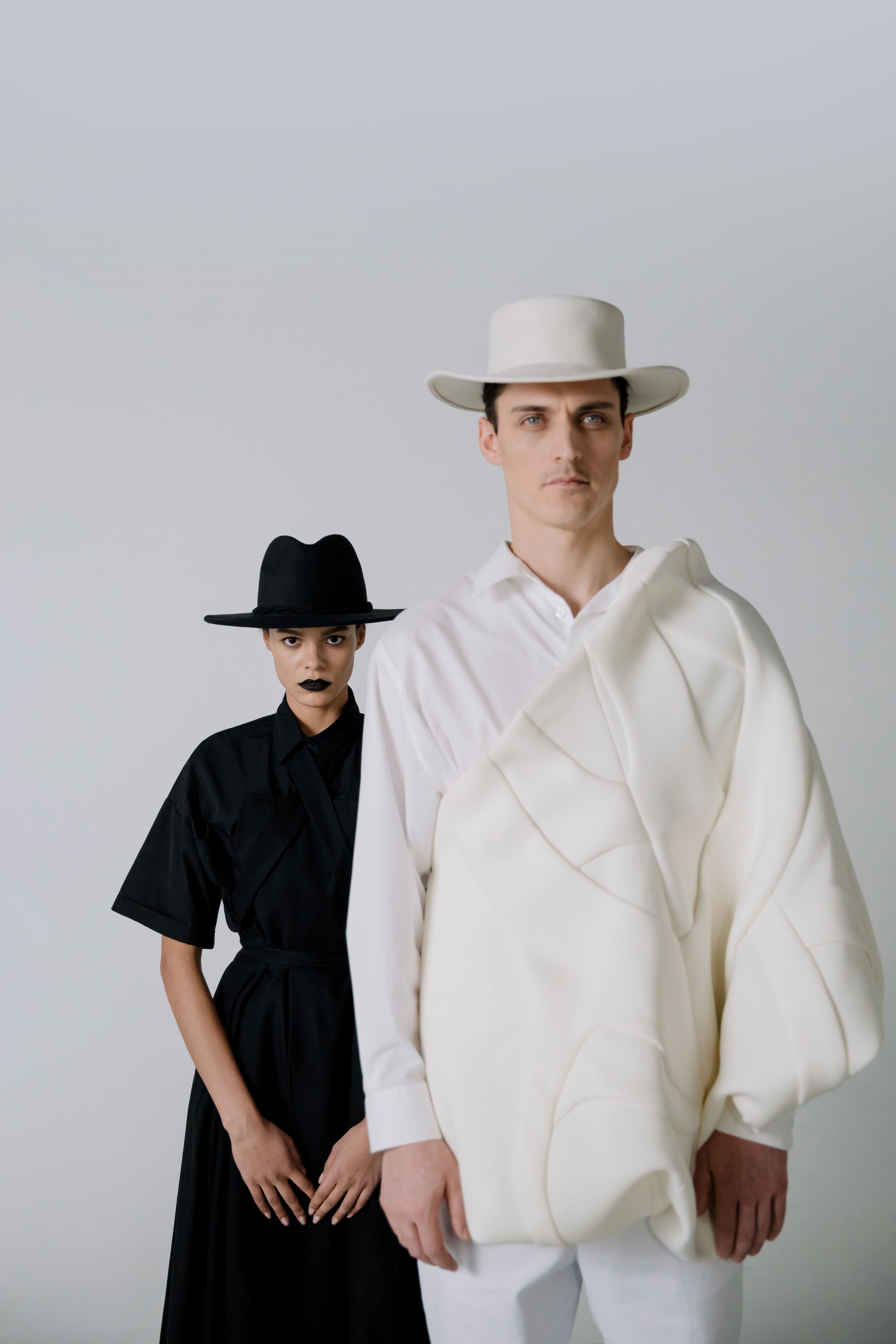
This is the factor that fans care about most and skeptics dismiss too quickly, so it deserves careful weighing. A generic hoodie has a generic shape: crew body, set sleeves, a hood, nothing more to say about it. A Rick Owens hoodie is a designed object, with dropped shoulders, exaggerated length, and proportions calibrated to the brand’s avant-garde vocabulary. The silhouette is the product, arguably more than the cotton itself, and it is the reason people recognize the piece across a crowded room. Whether the design justifies hundreds of dollars is a deeply personal question with no one-size-fits-all answer. For someone who values the look and the cultural signal, the cut delivers something no blank can. For someone who just wants warmth, it is pure overspend.
The Brand-Signal Premium
To claim you are buying only cotton and stitching would be misleading, because some of the cost is the name alone. Wearing rick owens fashion signals membership in a specific aesthetic world, and that signal carries real social value for many buyers. This is not unique to fashion; it is the same logic that prices a watch far above its timekeeping function. The brand premium may make up roughly 30 to 40 percent of the price on a mainline hoodie, while materials and labor cover the remainder. Whether that signal is worth it is entirely subjective and depends on the circles you move in. What matters is being clear-eyed that you are buying it, rather than pretending the entire price is engineering. Honesty here protects you from both overpaying and from cynicism.
4. Longevity and Cost Per Wear
This is where the math gets interesting, since the luxury choice is far less irrational than the price tag implies. A 25 USD hoodie might survive 50 wears before the cuffs stretch and the fabric thins, giving a cost per wear around 0.50 USD. Worn three times a week for five years, a 450 USD DRKSHDW hoodie clocks about 780 wears, coming in near 0.58 USD per wear. Those numbers are startlingly close once you account for durability and resale. The premium piece also holds real resale value, something the budget option never manages. So while the upfront cost intimidates, the lifetime economics narrow the gap considerably. This reframing does not make the hoodie cheap, but it does make it defensible.
5. The Numbers Side by Side
To make the comparison concrete, the table below lines up the two categories across the factors that matter to a buyer in 2026. The numbers are illustrative rather than exact, yet they reflect the true shape of the trade-off. Observe that the luxury column dominates on materials and design but falls short on upfront accessibility. For sheer utility and budget, the everyday column is unbeatable. Reading across the rows, you can decide which attributes you actually weight most heavily. That is the whole point of an audit: not to declare a winner, but to let you price your own priorities.
| Factor | Everyday Hoodie | Rick Owens Hoodie | Edge |
|---|---|---|---|
| Price (USD) | 25-60 | 400-1,100 | Everyday |
| Fabric Weight (GSM) | 240-300 | 380-480 | Rick Owens |
| Expected Lifespan | 1-2 years | 5+ years | Rick Owens |
| Resale Value | Near zero | 40-60% retained | Rick Owens |
6. Who Each One Is Actually For
No honest review ends without admitting that the right choice depends entirely on the buyer. When you just want a warm layer for the gym or for lounging, the everyday hoodie is the smarter, more sensible buy by a wide margin. If silhouette, craftsmanship, and the cultural language of luxury avant-garde fashion matter to you, the Rick Owens piece offers what the blank simply cannot. There is no shame in either position, and pretending otherwise is just tribalism. Many people sensibly own both, reaching for the cheap one on lazy days and the designer one when the outfit matters. A Rick Owens sale can also narrow the financial distance, putting the luxury option within reach during seasonal markdowns. The trick is fitting the purchase to your real needs instead of somebody else’s status anxiety. Credible coverage at hypebeast.com mirrors this practical, needs-first framing.
7. The Verdict
So what is the price actually paying for? It buys heavier fabric, better construction, a designed silhouette, real longevity, resale value, and an undeniable brand signal, in roughly that order of tangibility. None of those individually justifies a forty-fold premium, but stacked together they explain it without requiring you to drink any Kool-Aid. The everyday hoodie remains the correct answer for utility and budget, full stop. The Rick Owens hoodie is the correct answer when the garment is meant to do cultural and aesthetic work, not just keep you warm. Both can be smart buys; neither is universally right. Decide which factors you actually value, check the cost-per-wear math, and let that, rather than hype or scorn, guide your wallet in 2026.